
GREEN CABINET SOURCE / VERIFIED PATH
Green Tech

By Maeve Lin
Green technology covers equipment, materials and working methods that reduce environmental harm. It includes renewable power, efficient buildings, cleaner
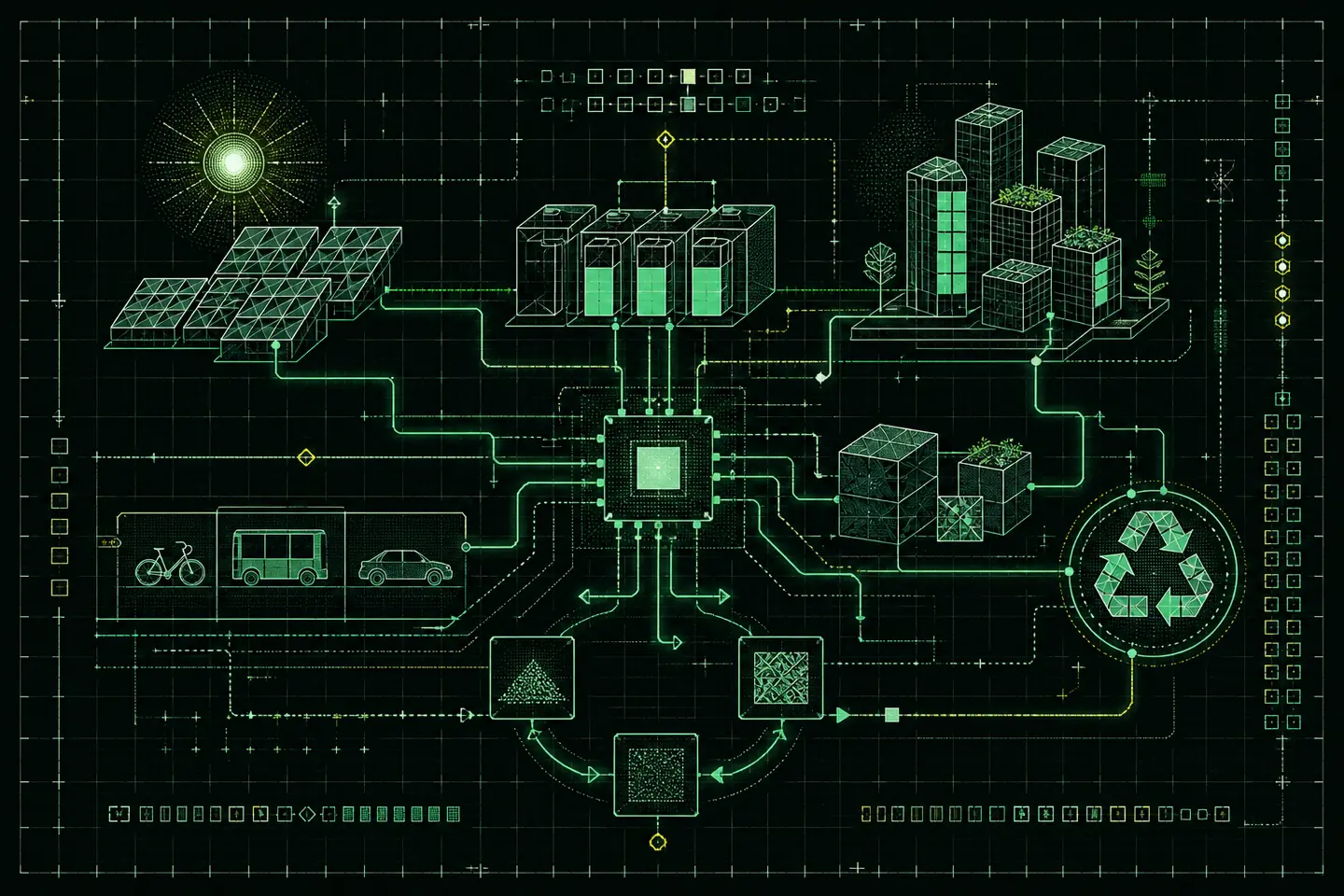
Green technology covers equipment, materials and working methods that reduce environmental harm. It includes renewable power, efficient buildings, cleaner transport, low-impact manufacturing and better systems for repair and recovery. A useful technology should do more than carry an environmental label: it should reduce energy, water, material use or pollution in a way that can be measured.
The right choice depends on the task, location and existing infrastructure. Before buying new equipment, define the problem, measure current use and consider whether maintenance or a simpler efficiency improvement could solve it. The OECD’s work on green technology and innovation provides wider context for how technical change can support environmental goals.
Judge the Whole Life Cycle
A product’s impact starts with raw-material extraction and continues through manufacturing, transport, use, repair and disposal. Low energy use during operation is valuable, but it is not the whole picture. A device may save electricity while depending on short-lived components, hazardous substances or a recovery route that does not exist locally.
Compare products according to the service they provide. For a washing machine, consider the energy and water used to clean a similar load, not only the annual figures on a label. For insulation, consider thermal performance, expected life, moisture suitability and whether installation will create avoidable waste. For any connected device, include the energy used by supporting networks and the practical lifespan of its software.
Durability often matters as much as headline efficiency. Replaceable parts, standard fasteners and accessible repair information can keep a product in service. A design that can be dismantled also makes materials easier to separate at the end of its life.
Questions to Ask
- What measurable reduction in energy, water, material use or emissions should the technology deliver?
- Which assumptions, such as hours of use or local climate, support that estimate?
- Can the product be maintained, repaired or upgraded with available parts?
- Does it contain recycled, recyclable or hazardous materials?
- Can local collection and processing systems handle it after use?
Start with Demand Reduction
The cleanest unit of energy is often the one a building does not need. Air sealing, insulation, shading, efficient lighting and well-maintained heating or cooling can reduce demand before renewable generation or storage is added. This can make later equipment smaller and easier to operate.
Controls help when they match real occupancy and operating hours. Timers, thermostats and occupancy sensors can prevent heating, cooling or lighting empty rooms. More complex automation is worthwhile only when someone can understand its settings, respond to alerts and maintain the sensors. Manual overrides should remain clear.
Water efficiency follows the same principle. Repair leaks first, then compare fixtures and equipment by the water used for a defined task. In gardens or industrial processes, controls should respond to actual need rather than run on a fixed schedule regardless of rainfall, soil conditions or production levels.
Plan Renewable Power and Storage Together
Solar, wind and hydropower generate electricity without burning fuel during operation, but output varies with site and conditions. A sensible plan begins with past energy use, the timing of demand and a realistic assessment of the site. Roof orientation and shading affect solar output; wind systems need reliable local wind data; any installation may require permission and a grid connection.
Battery storage can move electricity from one time to another. It may increase the use of on-site generation, reduce demand during expensive periods or support selected circuits during an outage. Capacity alone does not define a useful system. Check the power it can deliver, compatible equipment, safe installation, expected operating conditions and which loads must remain available.
Backup plans should identify essential circuits in advance. Refrigeration, communications, medical equipment, emergency lighting and security may deserve priority, while high-power appliances can remain off. Test the system periodically; an untested battery or transfer arrangement is not a dependable resilience measure.
Choose Materials for Long Service
Material decisions affect emissions, waste and exposure to harmful substances before a finished product reaches its user. Recycled content can reduce demand for virgin material, but the appropriate choice still depends on quality, processing and intended use. A durable component may be preferable to a nominally greener alternative that fails early.
Sustainable materials research examines subjects including material recovery, recycling and substitution. For a practical purchase, seek specific documentation rather than broad environmental language. Useful evidence can include a recognised material standard, a product declaration, a restricted-substance statement or clear instructions for repair and disposal.
Manufacturers can reduce waste by designing parts to standard sizes, separating material types and recovering offcuts during production. Purchasers can support this by specifying replaceable components and avoiding permanent mixed-material assemblies when a simpler construction will work.
Improve Transport Without Shifting the Problem
Cleaner mobility includes efficient vehicles, electrification, public transport, walking, cycling and fewer unnecessary journeys. The best option depends on distance, load, access and local electricity generation. Replacing every vehicle with a larger electric one may cut tailpipe pollution but does not address congestion, road space or the materials used in manufacture.
For an electric vehicle, compare expected journeys with reliable charging access. Home, workplace and public charging serve different needs. A charging plan should cover electrical capacity, safe installation, accessibility, payment, maintenance and the hours vehicles normally remain parked. Fleets can often charge in stages rather than connecting every vehicle at the same time.
Some transport uses are harder to electrify because they require long range or carry heavy loads. Research into clean transportation energy carriers considers alternatives for these demanding applications. Any comparison should include how the energy carrier is produced, transported, stored and used, rather than judging only the vehicle’s exhaust.
Build Circular Systems
A circular system keeps products and materials useful through maintenance, reuse, refurbishment, remanufacture and recycling. Prevention comes first: avoid an unnecessary product or package. Reuse generally preserves more of the work already invested in an item than breaking it down into raw material.
Mechanical recycling works best with clean, well-sorted materials. Other processes use heat, chemicals or biological methods to convert selected waste into feedstocks. Their environmental performance varies with the input, energy source, emissions controls and quality of the output. The EPA discusses advanced recycling, while the European Commission provides broader information on plastic waste and recycling.
Do not assume that a recycling symbol guarantees local recovery. Check what the collection service accepts and whether labels, coatings, adhesives or mixed layers interfere with sorting. Designers can improve recovery by reducing material combinations and marking components clearly. Organisations should also define who collects used products, where they go and how recovered material quality will be checked.
Evaluate Costs and Claims
Compare total cost over the expected service life, not only purchase price. Include installation, permits, electrical or structural work, maintenance, replacement parts, software access and end-of-life handling. For savings estimates, record the baseline and state assumptions about usage, energy prices, weather and equipment life.
Use a small set of relevant measures. These might include energy saved per year, water saved per task, renewable electricity generated, material recovered, hours of reliable operation or emissions reduced. Avoid combining unrelated benefits into a single score unless the method and weighting are transparent.
Third-party certification can help, but only when the standard, scope and certifier are clear. Check what was tested, whether the result applies to the whole product or one component, and when the evidence was issued. A vague badge or an offset purchase does not demonstrate that the technology itself performs efficiently.
A Practical Decision Process
- Measure the baseline. Gather utility data, maintenance records and actual operating hours.
- Reduce avoidable demand. Repair faults and assess simple efficiency measures before adding equipment.
- Compare complete options. Include installation, operation, maintenance and disposal.
- Verify the evidence. Prefer recognised standards, independent testing and methods that explain their assumptions.
- Plan ownership. Assign responsibility for monitoring, servicing, updates and end-of-life recovery.
- Review performance. Compare results with the baseline and correct settings or maintenance problems.
Green technology is most useful when it solves a defined problem and remains serviceable over time. Careful measurement, modest demand reduction and credible evidence are more reliable guides than novelty or broad environmental claims.