
GREEN CABINET SOURCE / VERIFIED PATH
Zero Waste Recycling

By Maeve Lin
Zero waste recycling starts with preventing waste, then keeps products and materials in use for as long as practical. Recycling is one part of the system,
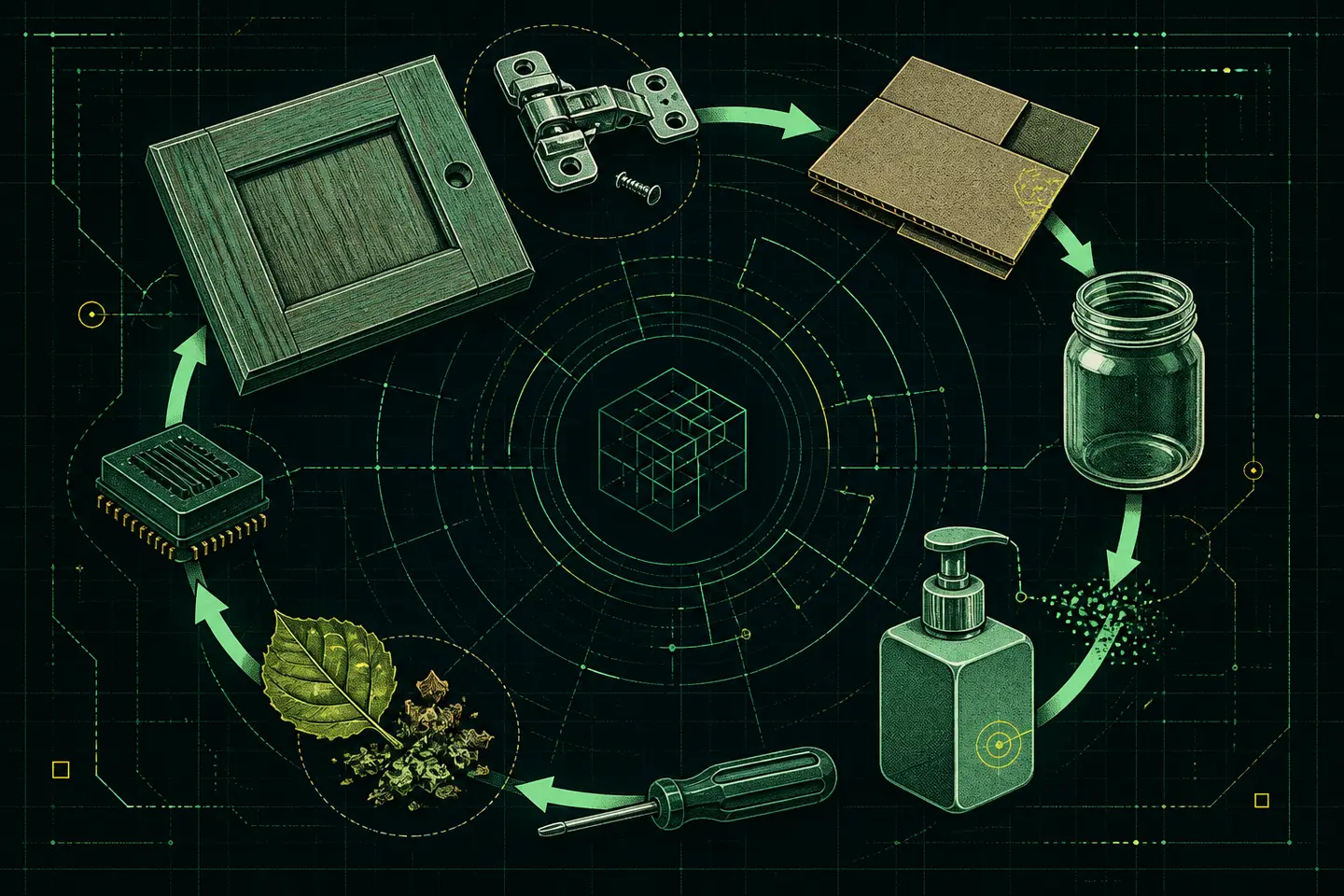
Zero waste recycling starts with preventing waste, then keeps products and materials in use for as long as practical. Recycling is one part of the system, not the whole answer. Purchasing, storage, maintenance, repair and reuse all affect what eventually reaches a collection bin.
A useful system must also fit local conditions. Collection services differ in the materials they accept, how items must be prepared and where difficult waste should go. Begin with the rules of the local authority or contracted collector, then design routines around those rules.
Use the Waste Hierarchy
The broad zero waste approach places prevention before material recovery. This order avoids treating a full recycling bin as the main measure of success. A practical hierarchy is:
- Refuse: avoid unnecessary items, excess packaging and unsuitable materials.
- Reduce: buy only what will be used and choose durable, repairable goods.
- Reuse: refill, share, donate or repurpose items while they remain serviceable.
- Repair: replace worn parts or restore finishes instead of replacing the whole item.
- Recycle or compost: recover materials once higher-value options are no longer practical.
The order matters because collection, transport, sorting and processing all use resources. Repairing a cabinet hinge, for example, keeps the door, hardware and finish in service. If an item cannot be repaired, separate intact fixtures, solid wood and metal hardware so each part has a better chance of reuse or recovery.
Assess What You Throw Away
A waste assessment identifies the materials entering general waste, recycling, organics, donation and specialist collection. It also shows where avoidable purchases and sorting errors occur. Review a representative period rather than an unusually quiet or busy day.
Record each common material, its current destination and the better available option. Households can inspect kitchen, bathroom, office and outdoor bins. Organisations should include different work areas and consult cleaning or facilities staff, who often see recurring problems first. Existing collection records may reveal changes in volume or rejected loads. The EPA’s waste assessment instructions describe several ways to organise this work.
Do not change the bin system until you have confirmed what local services accept. Note uncertainties such as plastic film, coated cartons, broken glass, batteries and food-soiled packaging. Ask the collector for written instructions where possible, as a recycling symbol alone does not prove that a local facility can process an item.
Prevent Waste Before Collection
Use the assessment to target the largest avoidable streams first. The principle that prevention and reduction come before recycling can guide both household shopping and organisational purchasing.
For food, check cupboards, refrigerators and freezers before shopping, plan meals around food already available and buy quantities that can be stored and used safely. Bulk packs reduce packaging only when their contents are actually used. Store older food where it will be seen and use suitable containers to protect opened ingredients and leftovers.
For other goods, consider service life, repair access, replacement parts and packaging before purchase. Refillable bottles, washable cloths, durable food containers and reusable transport packaging work only when there is a convenient system for cleaning, returning and storing them. Put reusable items where they are needed rather than relying on people to remember them.
Before discarding furniture, fittings, tools or equipment, check whether the whole item can be repaired, sold or donated. If it cannot, identify reusable components before breaking it down. Keep removed parts dry, labelled and protected from damage.
Sort Common Materials Correctly
Clean separation protects the value of recoverable material. Follow local instructions even when they conflict with familiar rules from another area.
- Paper and card: keep them clean and dry, flatten boxes and exclude greasy or heavily food-soiled pieces. Check whether shredded paper and coated cartons need separate handling.
- Glass: empty bottles and jars, and replace or remove lids as directed. Keep ceramics, mirrors, window glass and drinking glasses out unless the service explicitly accepts them.
- Metal: empty cans and trays and remove heavy residue. Do not place pressurised cylinders, sharp objects or electrical items in ordinary mixed recycling.
- Plastic: use the collector’s accepted-item list rather than relying only on resin numbers. Flexible film, bags, foam and mixed-material pouches commonly need a separate route.
- Organics: keep food and garden material separate where composting is available. Exclude packaging, produce stickers, treated wood and anything described merely as biodegradable unless the service accepts it.
Recycling and composting recover materials through separate processing paths. Mixing food, liquids or unsuitable objects into dry recycling can contaminate other material and create handling problems. Empty containers and give them a light rinse when residue remains; excessive washing is unnecessary.
Make Collection Easy to Use
Place general waste, recycling and organics containers together at the points where disposal decisions happen. Shared kitchens, entrances, work areas and loading spaces may need different stations based on the waste produced there. A distant or hidden recycling bin will be used less consistently than one beside the general waste bin.
Label the front and lid of each container with plain material names and examples of accepted and rejected items. Pictures of familiar objects are more useful than a generic recycling symbol. Keep colours and wording consistent across the site, but follow the collector’s categories.
Choose containers that match collection frequency and material volume. They should keep contents dry, contain odours and pests where necessary, and remain accessible to users and collection staff. Do not obstruct exits, accessible routes, fire equipment or vehicle access. Store batteries, lamps, chemicals and electronic waste in supervised areas suited to their risks.
Handle Difficult Items Separately
Electronics, batteries, textiles, bulky goods and hazardous household materials do not belong in ordinary recycling unless local instructions explicitly say otherwise. Search the local authority’s directory or ask the collector for an approved route before travelling to a drop-off point.
Back up required files, sign out of accounts and erase personal data before passing on a phone, computer or storage device. Working equipment may be suitable for repair, resale or donation. Keep loose batteries away from metal objects, heat and moisture, and follow local guidance on protecting terminals. A damaged, leaking or swollen battery needs specific advice from the local waste or fire authority.
Keep paint, solvents, pesticides, automotive fluids and cleaning chemicals in their labelled original containers. Do not mix them or pour them into drains. Ask the relevant collection service how to handle an unlabelled or deteriorating container.
Clean, wearable clothing may be suitable for reuse. Torn or worn textiles require a service that accepts fibre recovery, and wet, mouldy or contaminated fabric may need disposal. Mattresses, carpets, appliances and furniture often have separate booking or take-back routes, so confirm acceptance before moving them.
Work With Collection Providers
Ask each provider which material grades it accepts, whether streams must be separated, how items should be prepared and what happens to rejected loads. Organisations should also request collection records or weight tickets when available. These details should shape purchasing rules, signs, storage space and staff instructions.
Assign responsibilities clearly. The household or organisation prevents contamination and presents materials correctly; the provider explains requirements and reports changes; facilities staff keep stations usable. Update labels promptly when a service changes. Do not promise that an item will be recycled unless the receiving route has been confirmed.
Measure and Improve the System
Review bins and collection records at a consistent interval. Track general waste, recycling, composting, reuse and rejected material using the same unit each time. For a simple diversion measure, divide the amount reused, recycled or composted by the total measured waste, then multiply by 100. Record the method so later results remain comparable.
Numbers alone do not explain a problem. Inspect where incorrect items appear and whether the cause is purchasing, unclear signs, poor bin placement or a changed collection rule. Share specific feedback, such as which item repeatedly appears in the wrong stream, then test one practical correction.
Set the next action from the evidence: remove an avoidable purchase, introduce a reuse route, relocate a station or clarify one label. Keep a named owner and review date for each change. When local services or material types change, repeat the assessment and revise the procedure rather than adding more bins without a clear destination.